
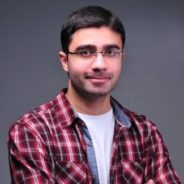
As a research scientist in Region Halland, Sweden, I’ve specialized in Real-World Evidence (RWE) and healthcare data analysis for over 7
years.
Utilizing traditional statistics and Machine Learning (ML), including Large Language Models (LLMs), my goal is to provide actionable and timely insights for informed clinical and management decisions. My work has been recognized in top AI, medicine, and epidemiology journals, and I’m honored to collaborate on real clinical projects with physicians across all care levels to enhance patient care.
I earned my PhD in Data Science with focus on representation learning for Electronic Health Records (EHR) under the supervision of Slawomir Nowaczyk and Markus Lingman in 2021. Simply put, the objective was to transform patient health data at a given time from raw EHR format to meaningful information (embeddings or representations) that can further be understood clinically by humans and algorithmically by prediction models.
Being able to predict or forecast risk of adverse outcomes or disease onsets on individual and societal level; we can then trigger early interventions to avoid, or at least prepare, for medical complications and seasonal or regional epidemics.